How to Become a Level 2 Electrician
The current NSW pathway from electrical qualification and class competencies to company accreditation, worker registration and DNSP authorisation.
Becoming a Level 2 electrician in NSW is not a single-course upgrade to an electrical licence. The NSW Accredited Service Provider Scheme accredits a company or business, registers suitably qualified workers against that accreditation, and then requires separate authorisation from the electricity distributor whose network they will work on. If you first need the property-facing scope, read what a Level 2 electrician does in NSW.
The practical pathway therefore has two connected sides. A worker needs the accepted core qualification or NSW electrical licence plus the mandatory competency units for each class, while the business needs accreditation, registered workers, insurance, capability and network authorisation.
Qualify in the electrical trade, complete the current units for the Level 2 class you need, work through an accredited business, register the worker under the NSW ASP Scheme, then obtain separate authorisation from the relevant distribution network service provider.
What Does Level 2 Cover in NSW?
Level 2 covers connection services. Under the NSW Scheme, this means constructing or changing service lines between the distribution system and the point of connection, as well as work on customer-owned network devices such as the service protection device on a main switchboard. It is different from Level 1 network construction and Level 3 design services.
Why Are the Company and Worker Steps Separate?
The ASP Scheme accredits the entity that offers contestable network services. Each employee or subcontractor who will do the work is then registered as a worker, often described as an RA, against that accreditation. Registration still does not grant access to every network: the business and worker must also meet the relevant distributor's authorisation requirements.
The Four Level 2 Classes
Choose the class by the work you intend to perform. A worker and accredited business may hold one class or several, but they must stay within the classes and network authorisations that are current for the job.
Disconnect and Reconnect
Disconnect and reconnect at the connection point. The current qualification table requires the 2B or 2C pathway, or an accepted existing registration, plus the listed safety and testing units.
Underground Services
Install and maintain low-voltage underground services, supported by an accepted electrical or distribution-underground qualification and the current underground-service and connection-testing units.
Overhead Services
Install and maintain low-voltage overhead services, supported by an accepted electrical or distribution-overhead qualification and the current overhead-service and connection-testing units.
Energising Service Equipment
Energise service equipment, including disconnection and reconnection, with an accepted electrical qualification or licence plus the listed safety, sustainability and connection-testing units.
Build the Core Electrical Qualification First
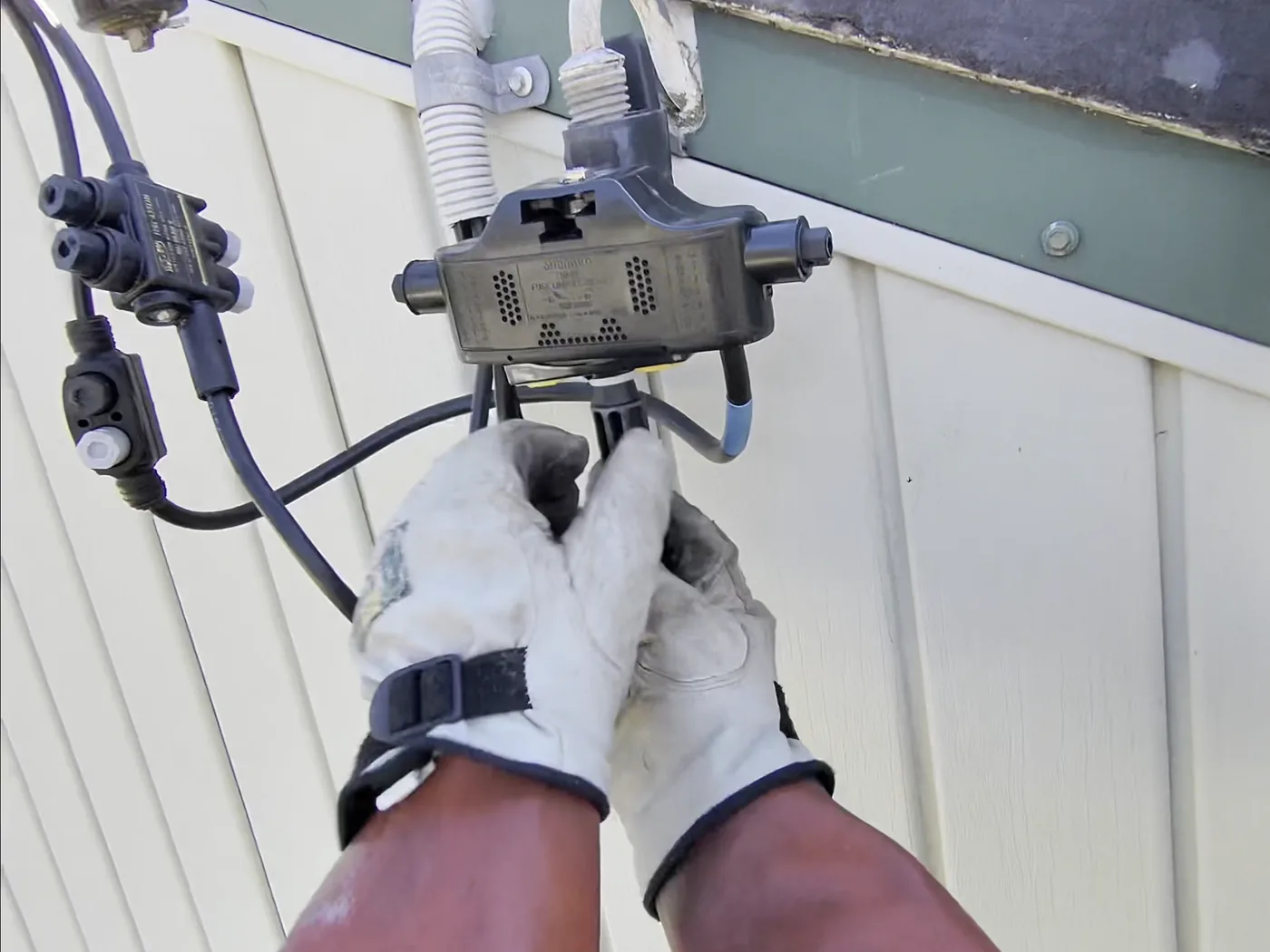
The current NSW table accepts specified electrical trade and electricity-supply-industry qualifications, with a NSW qualified supervisor certificate or endorsed contractor licence accepted for several classes. The exact core option differs by class. Existing equivalent qualifications may also be accepted after verification, so applicants should check their qualification against the current table rather than relying on an old course list.
Complete the Current Class Competencies
Core trade qualification alone is not enough. The NSW qualification page lists mandatory competency units for each class, and the training organisation must confirm all prerequisite units before awarding them. As at 14 July 2026, the current combinations include:
- ◆Class 2A: meet the 2B or 2C core pathway, then UETDREL005 and UETDRMP011
- ◆Class 2B: an accepted core qualification or licence, then UETDRIS011 and UETDRMP011
- ◆Class 2C: an accepted core qualification or licence, then UETDRIS010 and UETDRMP011
- ◆Class 2D: an accepted core qualification or licence, then UETDREL005, UEERE0001 and UETDRMP011
Course codes and equivalencies can change. Confirm the current units with the NSW qualification table and a registered training organisation whose scope includes the relevant qualification and competencies before enrolling.
Apply Through the ASP Platform
The ASP Platform is the current channel for new accreditation applications, renewals, added classes and worker registrations. A business application includes its details, nominated personnel and evidence covering qualifications, training, insurance, capability and access to suitable equipment. The NSW Scheme grants accreditation for up to one year, subject to its conditions.
Register Workers, Then Seek Network Authorisation
After the business is accredited, each employee or subcontractor must be registered under that accreditation before working on or near a distribution network. The accredited entity and its workers then seek separate authorisation from Ausgrid, Endeavour Energy or Essential Energy for the network area in which they will work.
The DNSP can require network-specific safety rules, role training, competency evidence and other authorisation conditions. A worker should not treat NSW registration as automatic permission to perform every Level 2 class on every distributor's network.
Keep Accreditation and Authorisation Current
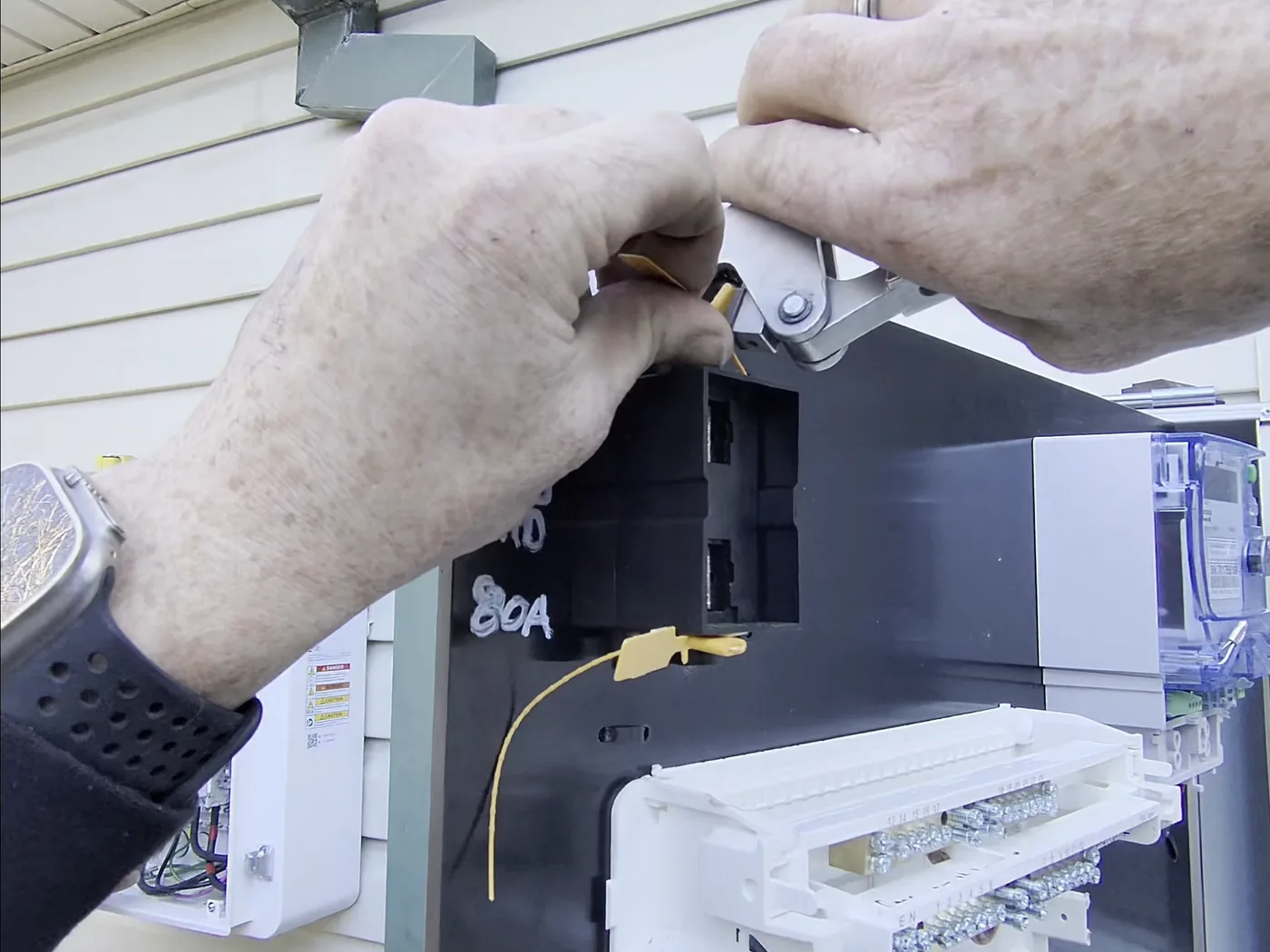
Company accreditation must be renewed through the ASP Platform with current evidence and the applicable fee. DNSP authorisation is a separate ongoing obligation. Network operators may require annual or other refresher training, current safety competencies and renewed authorisation before a worker can continue Level 2 contestable work.
Check the Current Rules Before Enrolling
Use the NSW Level 2 qualification table to check current core qualifications and units. The ASP accreditation guidance explains the Platform, worker registration and the separate DNSP authorisation step.
Frequently Asked Questions
Do I become a Level 2 electrician as soon as I finish the course units?
No. Completing the relevant qualifications is one part of the pathway. The business must hold the appropriate NSW ASP accreditation, the worker must be registered against it, and the business and worker must obtain the relevant DNSP authorisation before undertaking network work.
Can an individual apply for Level 2 accreditation without a business?
The NSW ASP Scheme accredits a company or business entity, not a course graduate in isolation. Individual workers are registered against an accredited entity. The correct structure for a sole trader, employee or subcontractor should be confirmed through the ASP Platform guidance.
Which Level 2 class covers overhead and underground service lines?
Class 2B covers underground services and Class 2C covers overhead services. Class 2A covers disconnection and reconnection at the connection point, while Class 2D covers energising service equipment, including disconnection and reconnection within that class scope.
How long does NSW Level 2 accreditation remain current?
The NSW Government states that company accreditation is granted for up to one year, subject to Scheme conditions. DNSP authorisation is separate and must also remain current, with network operators commonly requiring renewed evidence and refresher training.
Does one DNSP authorisation let me work on every NSW network?
No. NSW accreditation and worker registration sit above the separate network-authorisation step. Ausgrid, Endeavour Energy and Essential Energy apply their own safety, training and competency requirements, so authorisation must match the distributor and work class for the job.
A Practical Way to Plan the Pathway
Start with the class of work you want to perform, then check its current core qualification and competency units. Confirm that the training provider can deliver those units, decide which accredited business will register the worker, and identify the DNSP authorisation needed for the intended network area. Recheck the official pages before each application or renewal.
Need Level 2 Work at Your Property?
This guide explains the NSW industry pathway. For course selection, accreditation, worker registration or network authorisation, use the current NSW Government and DNSP guidance linked above because requirements can change.
If your question is about a property connection, service line, meter, consumer mains, private pole or defect notice, Venux can assess the electrical job itself. Venux Electrical Pty Ltd appears in the January 2026 NSW register as ASP 6471, Grade B, with Classes 2A, 2B, 2C and 2D.
Call 0424 235 892 or use the form with the property address, a description of the work and safe photos of the relevant equipment. Venux can identify the Level 2 scope that applies and prepare a quote for the property work.
- Tel
- 0424 235 892
- Area
- Cooranbong · Lake Macquarie, NSW
- Follow