Overhead Power Lines
Overhead power line enquiries on private property can involve a low-voltage service line, a point of attachment, a private pole or network-owned distribution assets. Those are not interchangeable. The asset boundary and proposed work need to be identified before the required ASP level and class are stated.
Venux Electrical is listed as ASP 6471, Grade B, with Classes 2A, 2B, 2C and 2D. Class 2C covers low-voltage overhead services, while Class 2A or 2D can apply to related disconnection, reconnection or energising service-equipment tasks.
Venux can assess a new or altered overhead service, damage to private connection assets, a changed point of attachment and the electrical work around a private power pole. Call 0424 235 892 with the address and safe photos to request a quote tied to that scope.
Our Overhead Line Services
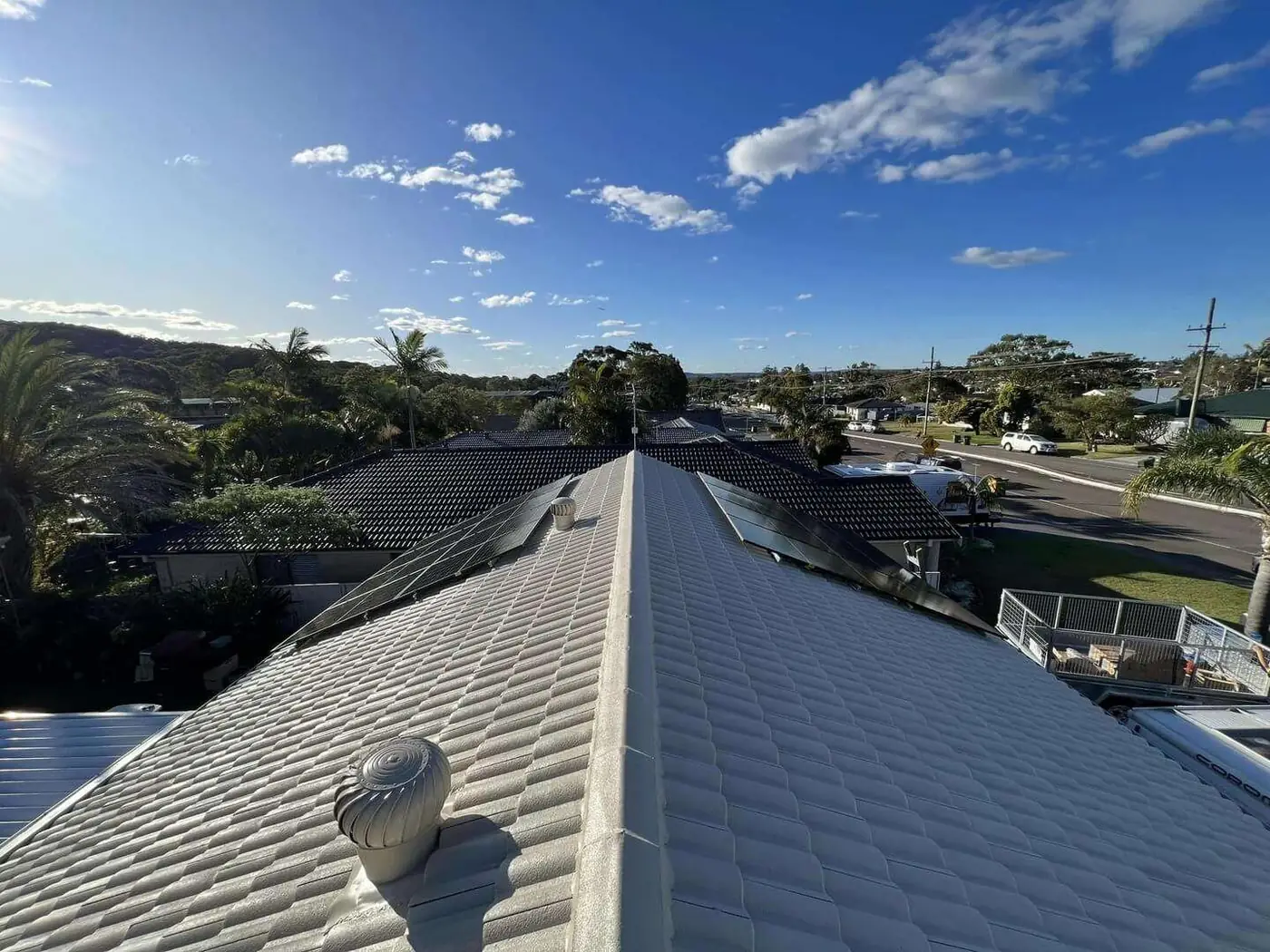
Venux's Level 2 overhead scope is low-voltage service work under Class 2C, not a blanket authority over every pole or distribution line. The quote identifies the service conductors, point of connection, private assets and any work that must instead be handled or approved by the electricity distributor or another ASP level.
New Line Installations
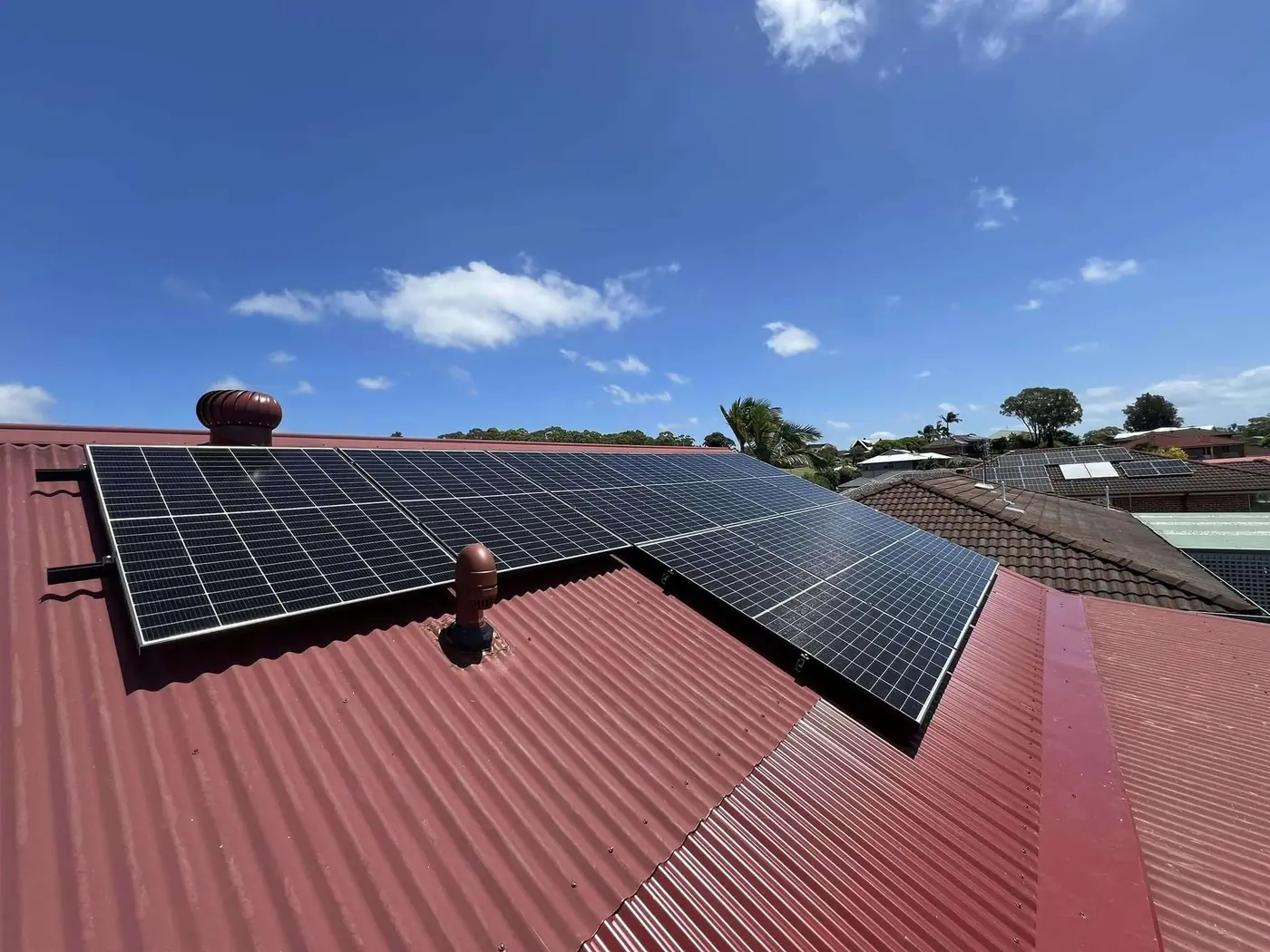
Plan a new low-voltage overhead service with the connection point, route, clearances, point of attachment, conductor and supporting private assets considered together.
Service-Line Repairs
Assess damaged, deteriorated, low or displaced service conductors and determine whether repair, replacement, isolation or distributor involvement is required.
Attachment and Pole Changes
Coordinate the overhead electrical scope when a private pole or point of attachment is replaced, relocated or changed as part of the supply route.
Storm and Fault Assessment
A fallen, arcing, low or damaged line can be immediately dangerous. Keep people and equipment away, do not approach anything touching the line, and contact the electricity distributor or emergency services where the situation requires an urgent make-safe response.
For private-property follow-up, Venux can inspect the overhead service, point of attachment and private support assets. The inspection determines whether the job sits within Class 2C, needs Class 2A or 2D connection work, or belongs to the distributor.
Upgrades & Compliance
Overhead service work is governed by the current NSW Service and Installation Rules plus the relevant distributor's requirements. Clearances, supports, conductor selection, access, testing, notifications and authorisation all depend on the specific connection.
If a service line is the subject of a defect notice or proposed change, Venux checks the notice against the physical asset and work class. Distributor approval, council involvement or another contractor is included only where the assessed project actually requires it.
Benefits of Overhead Lines
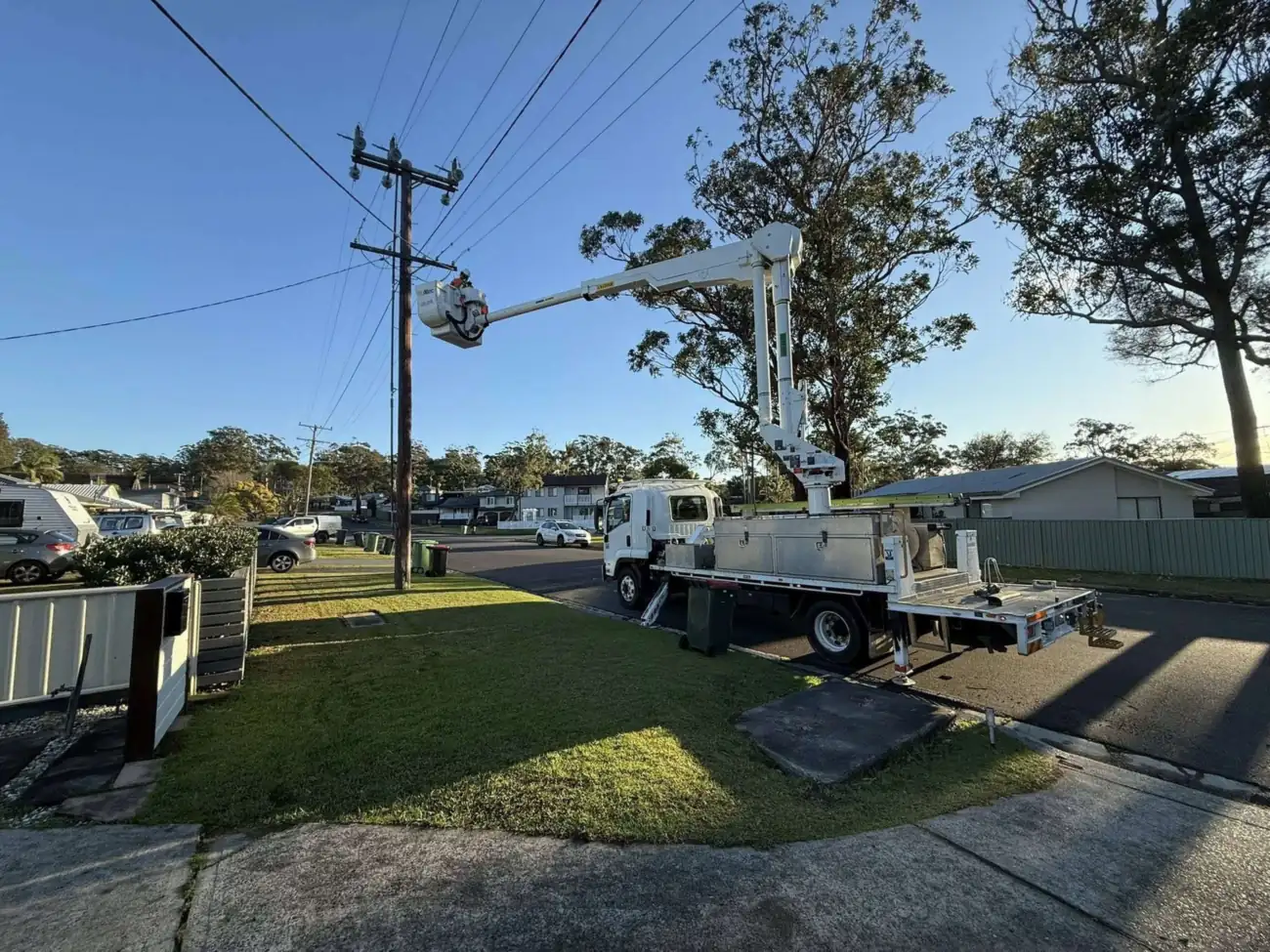
For some properties, an overhead service is the direct route between the network and the point of connection. Suitability depends on available supports, clearances, vegetation, access, span length, site use and the distributor's connection requirements.
Less Civil Work
An overhead route can avoid the trench, conduit and surface restoration involved in underground work, subject to suitable supports and clearances.
Easy Access for Maintenance
Visible conductors and attachments can be inspected without excavation, although safe access and electrical isolation still shape the work method.
Residential & Commercial
Homes, rural properties and businesses may use overhead services where the network connection, property layout and required clearances support that route.
Frequently Asked Questions
Cost depends on conductor length, supports, access, point of attachment, equipment, isolation and reconnection, metering, private pole work and any distributor or council requirements. Venux quotes the inspected service scope rather than publishing a generic span price.
Responsibility follows the asset and connection boundary, not simply whether the pole or line is on private land. Network records, shared supplies and the point of connection can affect ownership, so Venux confirms the asset before assigning the repair to the owner or distributor.
Timing depends on the service route, access, equipment, private pole or attachment work, distributor requirements, approvals and planned outages. Once those items are known, Venux can set out the proposed sequence and which external steps control the date.
The approval path depends on the asset, land, pole work and connection change. Distributor authorisation applies to relevant network-facing work, while council or other approvals may be needed for particular civil, planning or road-reserve impacts. Venux identifies the known requirements during scoping.
A conversion may be possible after the connection point, cable route, trench and conduit, other buried services, consumer mains, metering and switchboard are assessed. Class 2B applies to low-voltage underground service work within the wider underground connection project.
Plan Your Overhead Connection
For the authorised scope, the verified record is Venux Electrical Pty Ltd · ASP 6471 · Grade B · Classes 2A, 2B, 2C, 2D.
Send the property address and safe photos showing the full service-line route, point of attachment, any private pole and the meter or switchboard area. Include the distributor notice if one has been issued and explain whether the request is a new line, repair, relocation or underground conversion.
Call 0424 235 892 or email venuxelectrical@gmail.com to discuss the overhead service and request a scope-based quote.
- Tel
- 0424 235 892
- Area
- Cooranbong · Lake Macquarie, NSW
- Follow