Underground Power Connections
An underground power connection can carry a low-voltage service beneath the property instead of using an aerial span. The full job can involve the distributor connection point, Class 2B service conductors, consumer mains, conduit, trenching, other buried services, metering and the main switchboard.
Venux Electrical assesses new underground services, changed supply routes and overhead-to-underground conversions. The quote identifies the authorised electrical work, customer-installation work, civil interfaces and any distributor or metering-provider steps instead of treating excavation as the whole connection.
Venux Electrical Pty Ltd is listed as ASP 6471, Grade B, with Classes 2A, 2B, 2C and 2D. Call 0424 235 892 with the property address, proposed route and safe photos to discuss the underground scope and request a quote.
Why Go Underground
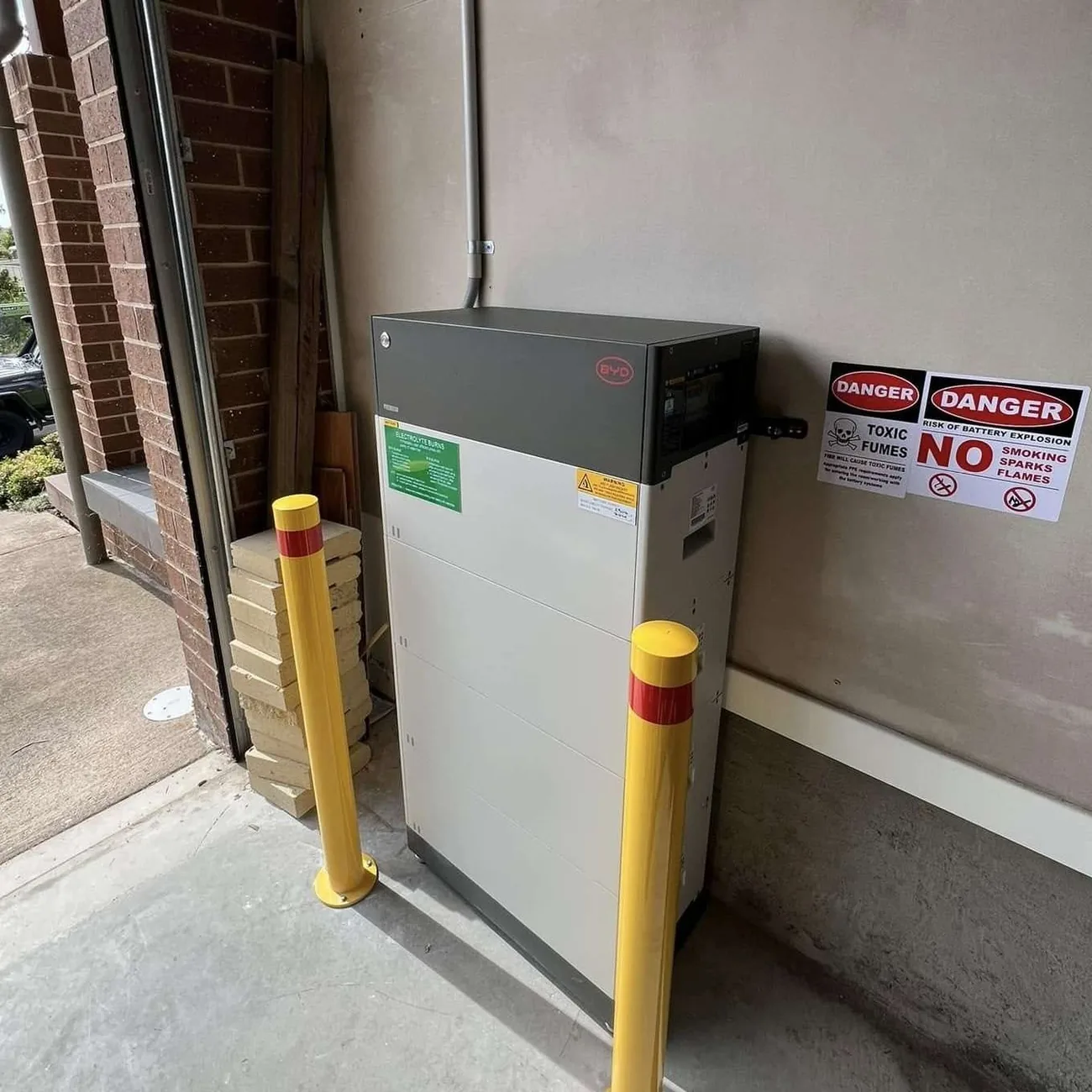
An underground route removes the private aerial span from the final layout and can reduce exposure to falling branches or vehicle movements near overhead conductors. It also introduces excavation, conduit, underground-service locating, access and surface-restoration requirements.
The useful comparison is the complete overhead and underground scope for the site. Connection-point location, route length, terrain, existing services, switchboard position, future access and distributor requirements all affect which option is practical.
No Private Aerial Span
Remove the proposed private overhead span from the route where the network connection and an approved underground path make that change possible.
A Concealed Route
Keep the service route below ground between the agreed connection points, subject to conduit, access, easement and separation requirements.
Different Exposure
Avoid some overhead hazards while accounting for moisture, excavation, ground movement, cable locating and future access to the buried installation.
Our Underground Power Services
Venux can scope the underground electrical work and coordinate the related connection steps. The quote states whether excavation, backfilling and surface restoration are included, assigned to another contractor or dependent on site preparation.
Inspections and Planning
Assess the connection points, proposed route, other services, access, terrain and installation requirements before excavation starts.
Trenching and Backfilling
Define trench, conduit, bedding, warning and restoration requirements, then name who is responsible for each civil-work item in the quote.
Conduit and Cabling
Select conduit and conductors from the assessed load, route, installation method, voltage drop and the current NSW and distributor requirements.
Switchboard Connections
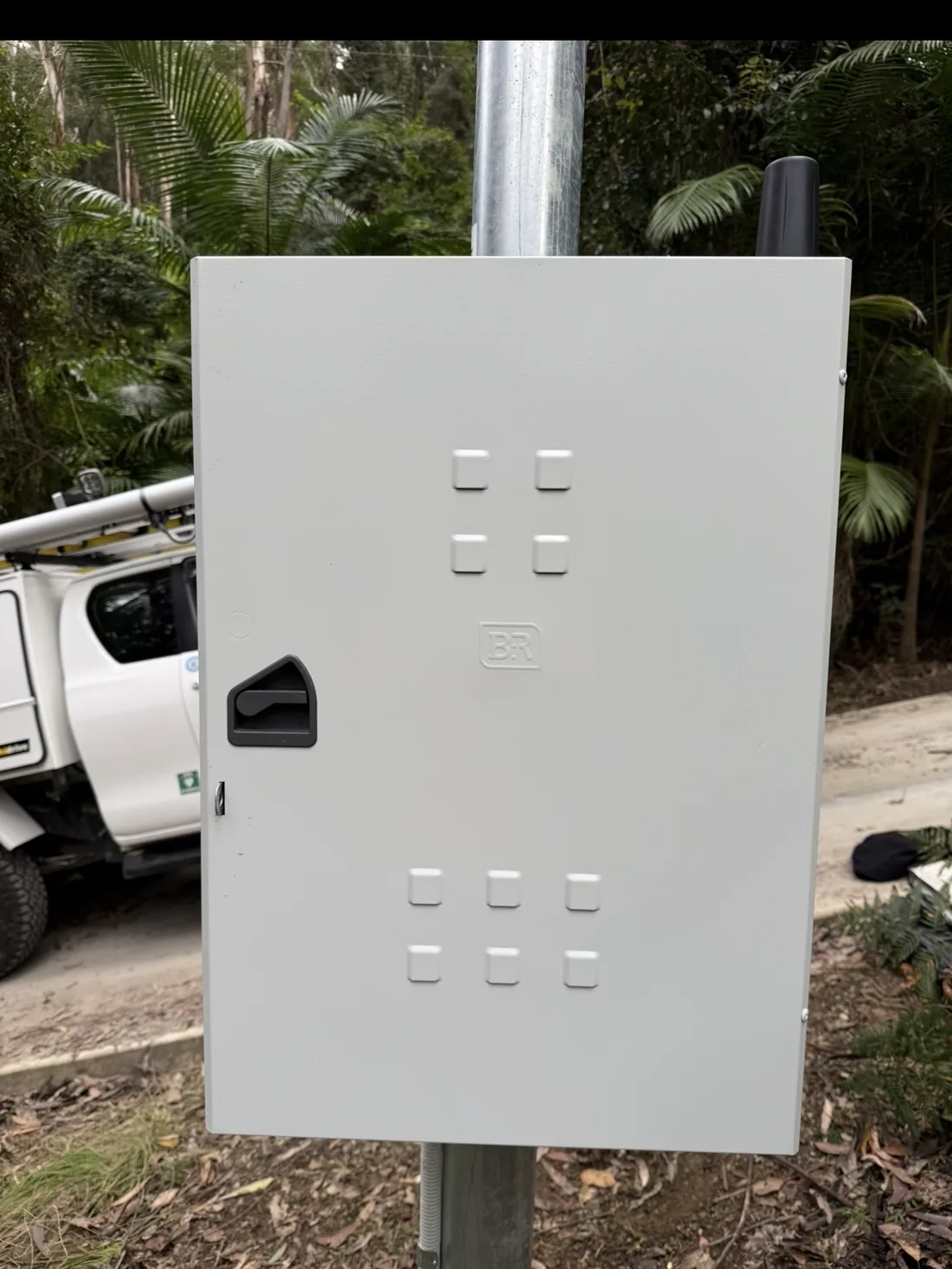
Check consumer mains, terminations, service protection and the main switchboard against the proposed connection and energisation sequence.
Meter Box Work
Identify whether the new route changes the meter position, board preparation or retailer and metering-provider work.
Overhead Removal
Plan Class 2C overhead isolation or removal with the Class 2B underground service and the final Class 2D energisation where those tasks apply.
Homes and Rural Blocks
At a home, an underground route may support a new connection, renovation, changed meter position or removal of a private overhead span. On a rural block, distance, terrain, access and supply to a house, shed, pump or other load can make conductor sizing and route planning especially important.
Venux assesses the load, cable length, ground conditions, other services and connection equipment before specifying conductor and conduit requirements. Where fencing, driveway or earthmoving work affects the route, the sequence is recorded as a project dependency.
Overhead to Underground
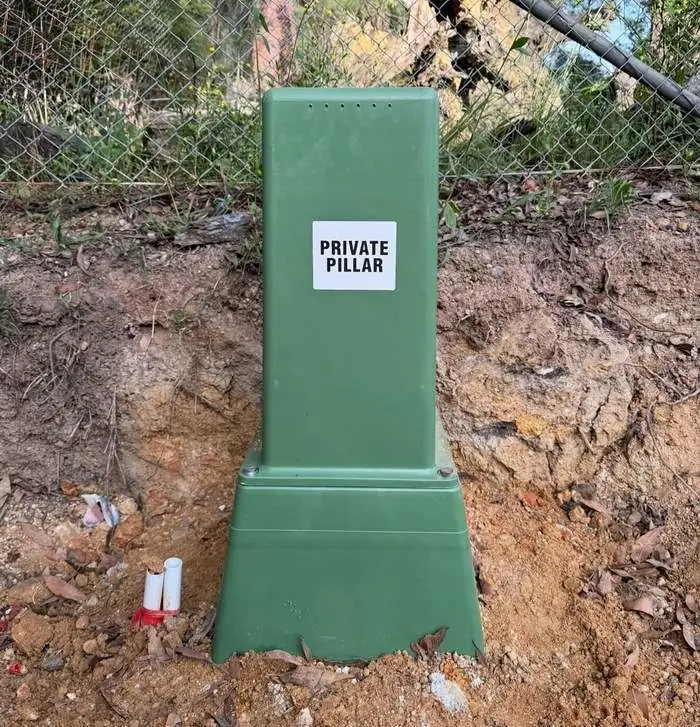
An overhead-to-underground conversion is a connection change, not simply a trench. The existing overhead service, private pole or attachment, new underground route, consumer mains, meter and switchboard all need defined outcomes.
Class 2A, 2B, 2C or 2D work may form part of the sequence depending on where disconnection, service-conductor changes and energisation occur. Any temporary supply, inspection, approval or distributor requirement is confirmed for the site rather than promised by default.
Frequently Asked Questions
There is no single depth that should be quoted without the cable type, route and land use. The current NSW Service and Installation Rules, distributor requirements, conduit system, mechanical protection and whether the route crosses a trafficable area determine the installation detail.
A driveway or road crossing may be possible, but the method depends on the surface, traffic loading, other buried services, access and approval requirements. The quote should state whether open trenching, boring, pre-laid conduit or another civil method is proposed.
A changed service normally involves the electricity distributor's connection process, and some sites need design, approval, inspection or planned-outage steps. Venux identifies the applicable process and states which notifications or external approvals are included in its scope.
Timing depends on design and approvals, underground-service locating, excavation, route length, access, weather, conduit and cable work, metering, inspection and the final connection. Venux can set out the sequence after these dependencies are known.
The comparison depends on the whole route. Underground work can add excavation, conduit, surface restoration and cable-length costs, while an overhead option can add poles, attachment hardware, access and clearance work. Venux compares the site-specific scopes rather than promising a financial return.
Ready to Go Underground?
For the authorised scope, the verified record is Venux Electrical Pty Ltd · ASP 6471 · Grade B · Classes 2A, 2B, 2C, 2D.
Send the property address, proposed connection points, route length, planned loads and safe photos of the meter, switchboard, existing overhead service and the ground the route would cross. Mention any driveway, rock, retaining wall, easement or other buried-service constraint already known.
Call 0424 235 892 or email venuxelectrical@gmail.com to discuss the underground connection and request a scope-based quote.
- Tel
- 0424 235 892
- Area
- Cooranbong · Lake Macquarie, NSW
- Follow