Consumer Mains Upgrades
Consumer mains carry electricity from the point of supply to the main switchboard. An upgrade may be considered when the existing conductors are damaged, unsuitable for the proposed load, affected by a supply change or being assessed alongside a switchboard, solar, battery, EV charger or three phase project.
Venux Electrical assesses consumer mains on residential, rural and commercial properties. The scope can include the load, cable size and route, overhead or underground installation method, switchboard termination, metering dependencies and any Level 2 isolation, service-line or energisation work needed at the connection boundary.
Venux Electrical Pty Ltd appears on the current NSW register as ASP 6471, Grade B, with Classes 2A, 2B, 2C and 2D. Call 0424 235 892 or send safe photos and the equipment details to request a quote for the actual supply path.
Overhead or Underground
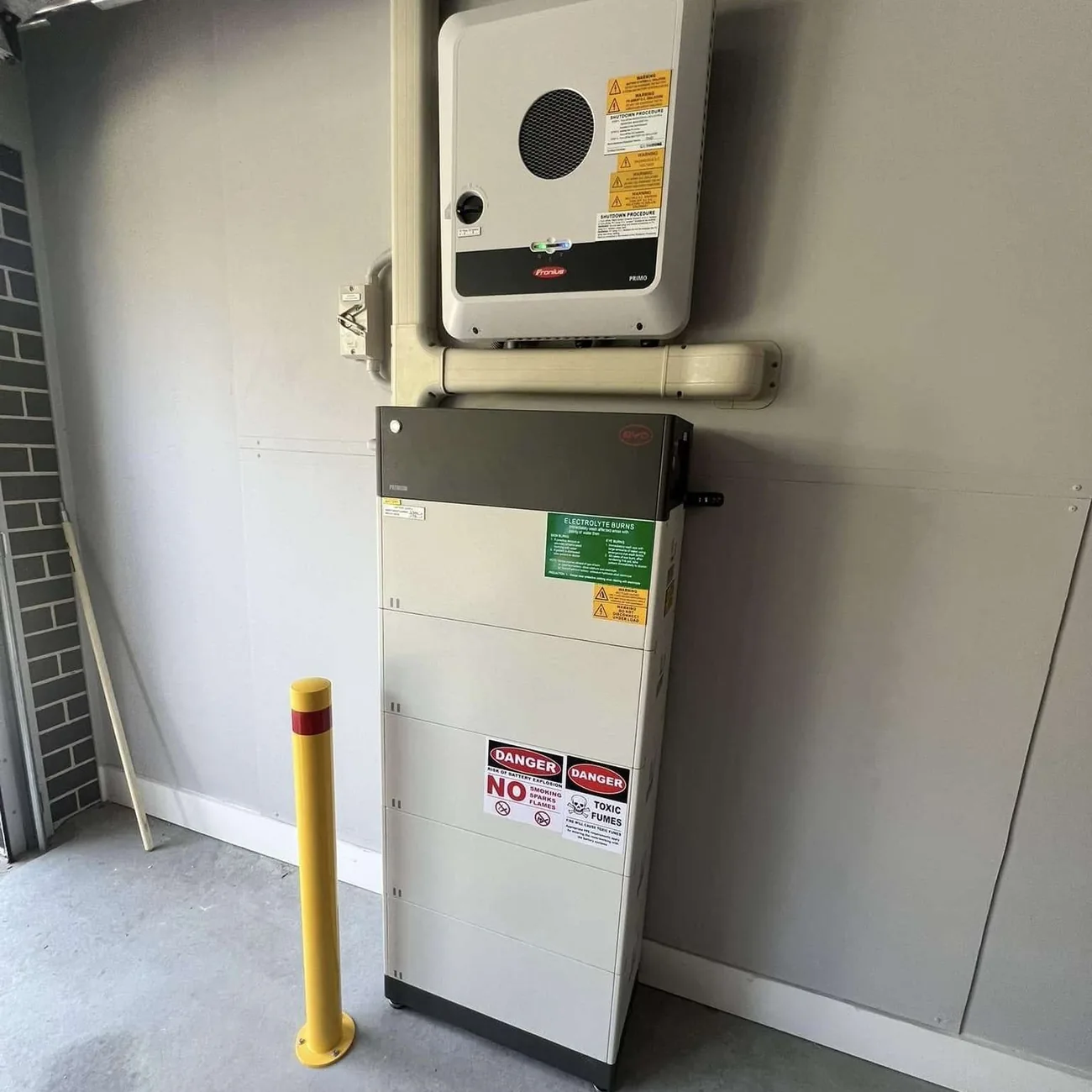
Consumer mains may follow an overhead or underground route, and that route is separate from the question of who owns each service-line asset. The point of supply, point of connection, service conductors and private installation need to be identified before the scope is assigned.
Venux checks the existing route, conductor condition, proposed load, cable length, installation method and switchboard end. Where the project also affects service lines, the applicable Class 2B underground or Class 2C overhead work is identified separately.
Overhead Consumer Mains
Assess the existing aerial route, supports, point of attachment, conductor condition and clearances before deciding what can stay and what needs to change.
Underground Consumer Mains
Plan the cable route, conduit, trench interfaces, other buried services, voltage drop and terminations as one underground supply path.
When to Upgrade
A larger appliance or renovation does not automatically prove that the mains need replacement. Venux compares the planned load with the existing supply and conductor arrangement before recommending an upgrade.
Damage, a defect notice, an unsuitable cable route or a connection change can also trigger an assessment. The quote separates consumer mains work from distributor, metering-provider and Level 2 service-line steps.
Switchboard Upgrades
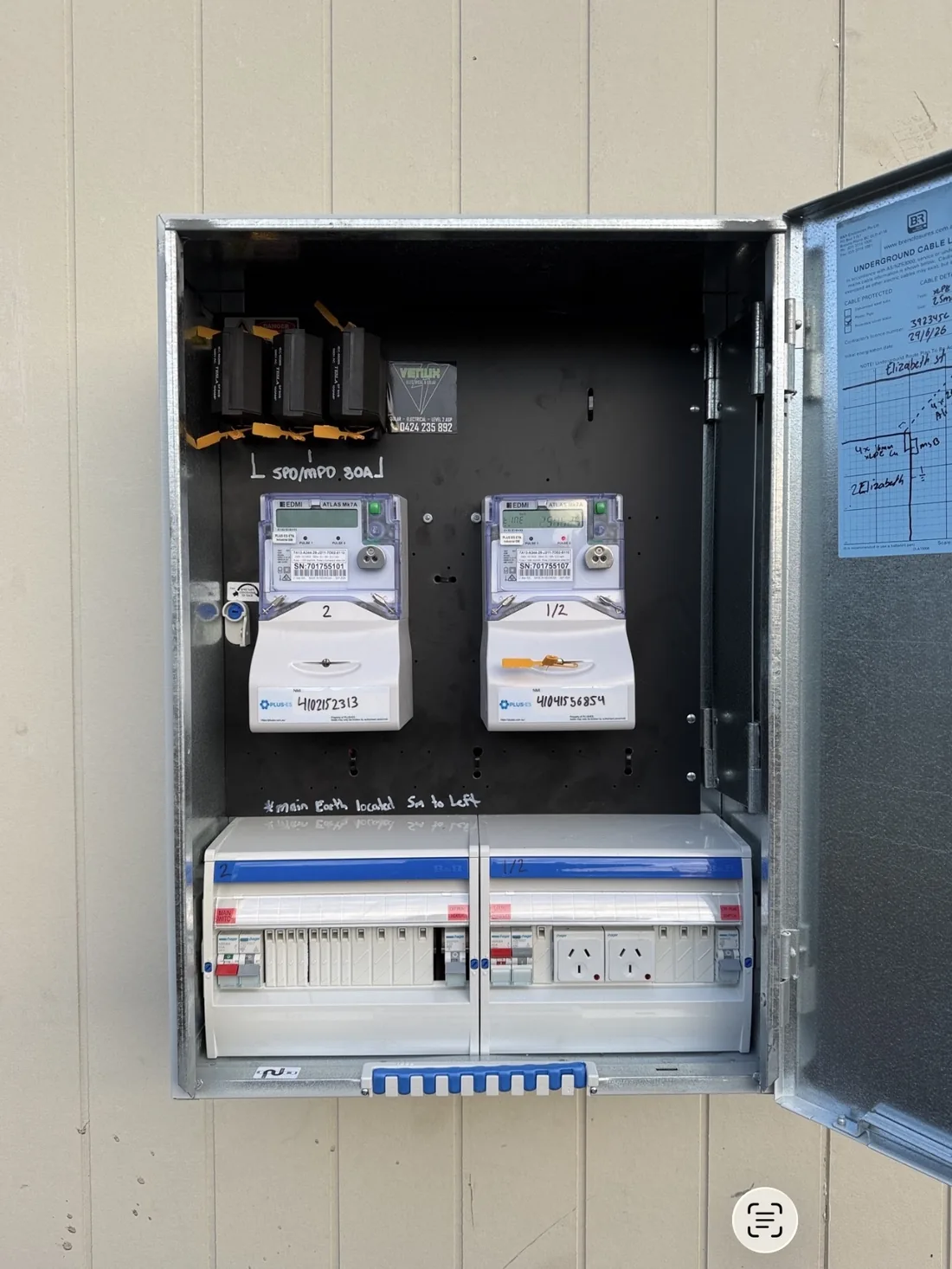
Check the board condition, space, protection and terminations against the existing and proposed supply instead of assuming one upgrade always requires the other.
Solar Installs
Assess the approved solar design, export requirements, switchboard and existing supply before deciding whether the consumer mains form part of the project.
Bigger Appliances
Use the specifications for proposed cooking, heating, cooling, spa or EV equipment to calculate the load rather than relying on a broad appliance rule.
Renovations and Extensions
New circuits and changed layouts should be assessed with the loads likely to operate together and any planned supply or meter relocation.
Outdated Cabling
Visible deterioration, damaged insulation, heat effects or a defect notice can require investigation even when no capacity increase is planned.
Flickering and Voltage Drop
Flicker and voltage concerns can have several causes. Testing should identify the fault and supply conditions before the consumer mains are blamed.
What We Handle
The electrical scope can include replacing consumer mains, changing the overhead or underground route, altering conduit, terminating at the main switchboard and testing the completed installation. A single to three phase upgrade can add metering and connection requirements to that work.
At the supply boundary, Class 2A may cover disconnection and reconnection, Class 2B or 2C may cover the affected service conductors, and Class 2D may cover energising service equipment. Venux holds those classes under ASP 6471, but the classes included in the quote depend on the site.
Metering, distributor applications, inspections, outages and civil work are identified as separate dependencies. That makes it clear who is responsible for each step and avoids presenting a consumer mains cable as the whole project.
Safety and Compliance
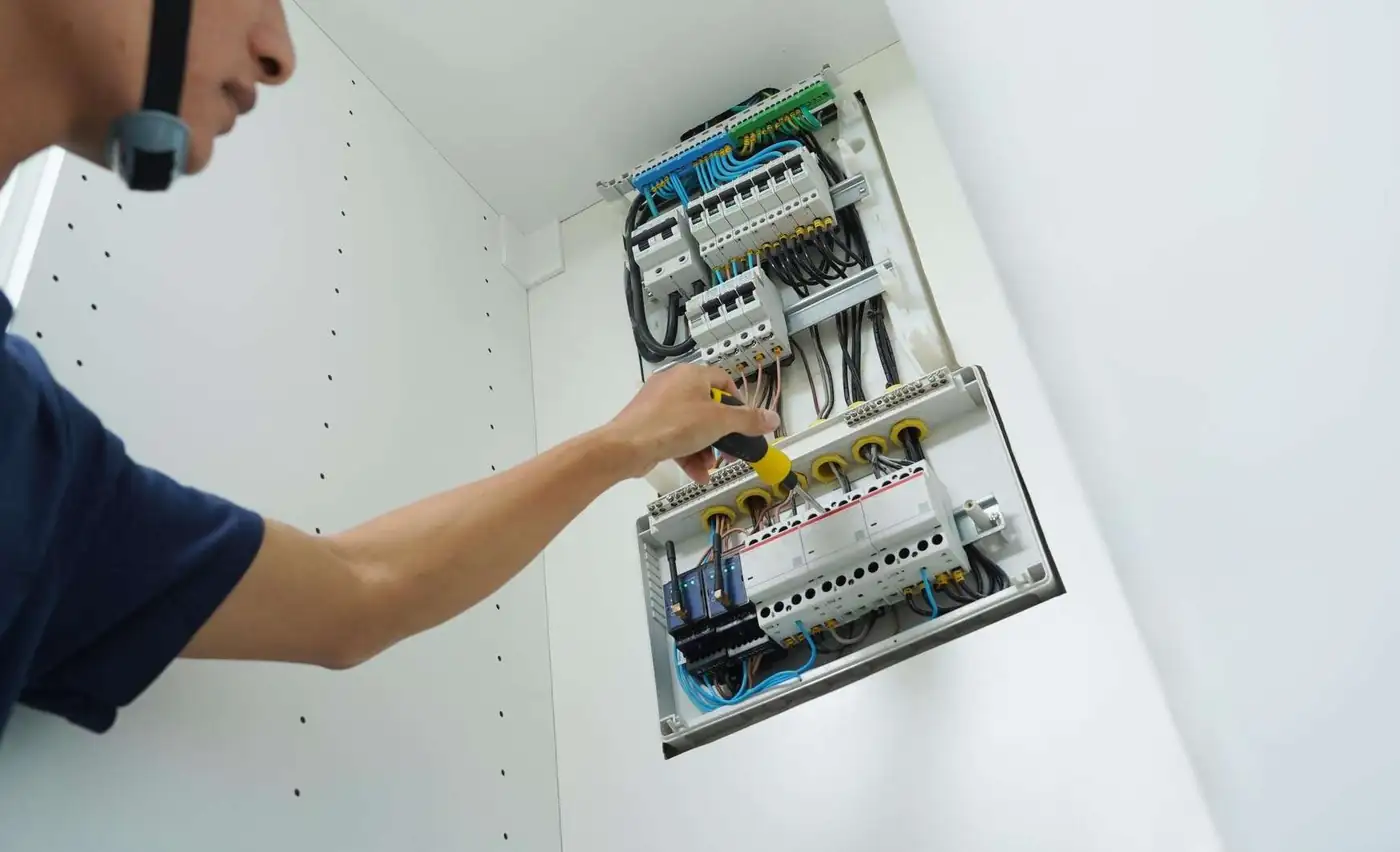
The applicable requirements can include the current NSW Service and Installation Rules, AS/NZS 3000, distributor standards and the testing or notifications attached to the work. The required documents and inspections depend on which parts of the customer installation and connection are changed.
Cable size is selected from the assessed load, installation method, route length, voltage drop, fault protection and environmental conditions. Earthing, service protection, switchboard condition and metering preparation are checked where they affect the final supply.
Frequently Asked Questions
Timing depends on the cable route, access, civil work, switchboard changes, metering coordination, distributor requirements and any planned outage. Venux can provide a project sequence after the existing supply and external dependencies have been checked.
Consumer mains are part of the customer's electrical installation, but a project can also involve Level 2 work at the connection boundary. Disconnection, reconnection, service-line changes or energising service equipment must be assigned to the appropriate authorised class.
An outage is commonly required when conductors or their terminations are being changed, but the isolation point and outage process depend on the connection. Venux identifies the planned power-off step and any distributor or neighbour coordination before work is scheduled.
The size depends on assessed maximum demand, supply arrangement, conductor material, route length, installation method, voltage drop, protection and the applicable rules. Equipment details and a site inspection provide the inputs for that calculation.
Replacing the conductors does not itself reduce the amount of electricity used. A wider project may still change the meter, tariff, available capacity or how equipment is operated, so billing questions should be confirmed with the electricity retailer.
Sort Your Supply
For the authorised scope, the verified record is Venux Electrical Pty Ltd · ASP 6471 · Grade B · Classes 2A, 2B, 2C, 2D.
Send the property address, the reason for the upgrade, equipment specifications and safe photos of the meter, switchboard and visible supply route. Mention any defect notice, renovation, solar, EV charger or three phase plan that may change the load or sequence.
Call 0424 235 892 or email venuxelectrical@gmail.com to discuss the consumer mains assessment and request a scope-based quote.
- Tel
- 0424 235 892
- Area
- Cooranbong · Lake Macquarie, NSW
- Follow